The Most Underrated Tool in a Data Center Is the Work Note

Data center teams run better when work notes, handoffs, and repair logs are treated as real technical tools, not paperwork.
Practical guides for employers building mission-critical teams and skilled professionals considering data center construction careers.
Data center teams run better when work notes, handoffs, and repair logs are treated as real technical tools, not paperwork.
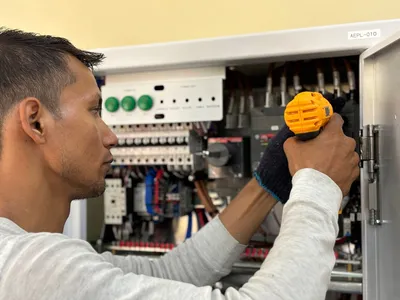
Data center hiring works best when employers map a visible ladder from entry tasks to commissioning, maintenance, and IT support—so workers know the next step before they start.

In data centers, the handoff packet is part of the job. Clear documentation, mentoring, and stage-specific rules keep build crews, operators, and IT teams aligned.

Data center work runs better when employers separate facilities, controls, and IT lanes—and teach authorization, handoffs, and progression before speed.

A strong data center wage still fails if commute, rent, shift timing, and travel requirements do not fit the local market. Employers and applicants need the same map.

Data centers need more than IT résumés. Federal data and training programs show why maintenance, controls, and apprenticeship are common entry paths.

Data center hiring gets easier when employers price the commute, rent, and shift together instead of relying on wage alone.

Data center hiring works best when employers screen for authorization, stage, and task fit—not just a broad technical title.

A data center needs different people at build, commissioning, turnover, and operations. The smartest hiring plan matches skills, safety authority, and pay to the project stage.

Data center repairs are only complete when the system is documented, verified, and safely handed back. Staffing must cover the return to service.

Some data center roles stay on one site; others move. That mobility changes pay, safety, training, and what employers should spell out before a hire starts.

Data center on-call coverage works best when facilities, controls, and IT each have their own response lane, authority limits, and pay structure.