Why Data Center Hiring Should Reward Boundary Sense

Data center hiring works better when employers screen for boundary sense: who owns which system, who can touch it, and how work is handed off safely.
Practical guides for employers building mission-critical teams and skilled professionals considering data center construction careers.
Data center hiring works better when employers screen for boundary sense: who owns which system, who can touch it, and how work is handed off safely.

Data center onboarding works best when employers separate access, authority, and training by role and site stage.
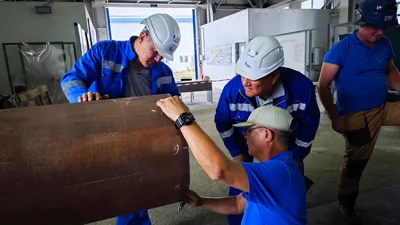
Data center onboarding works best when employers teach authority boundaries, documentation, and handoff habits before expecting speed on a live site.

The first live shift is less about a résumé and more about safety, role boundaries, and a training stack that matches real data center work.

A data center’s workforce changes when a site goes live. Build crews, commissioning teams, and operators need different authority, training, and handoff rules.

Data center hiring works better when employers define the work package first: facilities, controls, or IT. That sharpens screening, training, and retention.

Data center careers split into electrical, HVAC, and network support tracks. The right entry path depends on which systems you want to own, and the training route is not the same.

Data center hiring often rewards safety discipline, documentation, and training progress as much as prior experience—and apprenticeship makes that ladder visible.

Data center retention improves when employers turn tribal knowledge into documented handoffs, clear boundaries, and mentor-led training paths.

Data center apprenticeship works best when employers teach live-site safety, documentation, and progression instead of relying on a generic entry program.

Data center change management is really a workforce issue: hiring, training, documentation, and handoffs decide whether maintenance becomes rework.
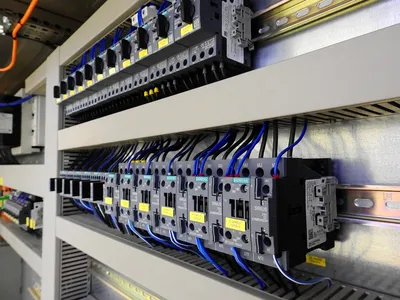
Data center entry routes look similar from afar, but pre-apprenticeships, certificates, and apprenticeships prepare workers for very different levels of responsibility.